
★ In the News · July 2026
First-Ever Quantum-Computer Calculations of Fusion Reactor Materials
Our team at Cleveland Clinic, Oak Ridge National Laboratory, and IBM reported the first known quantum-computer calculations of fusion blanket molten salts (FLiBe), a key step toward tritium extraction for fusion energy. I am first author on the study.
Featured Work
Career
-
 Oct 2023 — Present Research Associate Cleveland Clinic Cleveland, Ohio, USA
 -
 Apr 2019 — Oct 2023 Postdoctoral Research Fellow Michigan State University East Lansing, Michigan, USA
 -
 Aug 2015 — Apr 2019 Postdoctoral Research Fellow Bar-Ilan University Ramat-Gan, Israel
 -
 Jan 2010 — Aug 2015 Doctoral Researcher CSIR-National Chemical Laboratory / AcSIR Pune, India
Research Overview
Quantum Computing for Chemistry
- Implement the Embedded Wavefunction-Sample-based Quantum Diagonalization (EWF-SQD) pipeline on IBM quantum processors, in active collaboration with IBM Research and the Merz group.
- Benchmark target: FLiBe (LiF-BeF2) molten salt clusters relevant to advanced nuclear reactors.
- Extend quantum-centric methods with the Merz group to protein-ligand free energy perturbation and intermolecular interactions.
QM/MM and Enzyme Catalysis
- Developed EnzyDock at Bar-Ilan University (with Prof. Dan T. Major), a CHARMM-based QM/MM docking code for multiple reactive states along enzymatic reaction coordinates.
- Applied to terpene synthases, Diels-Alder reactions, and racemases.
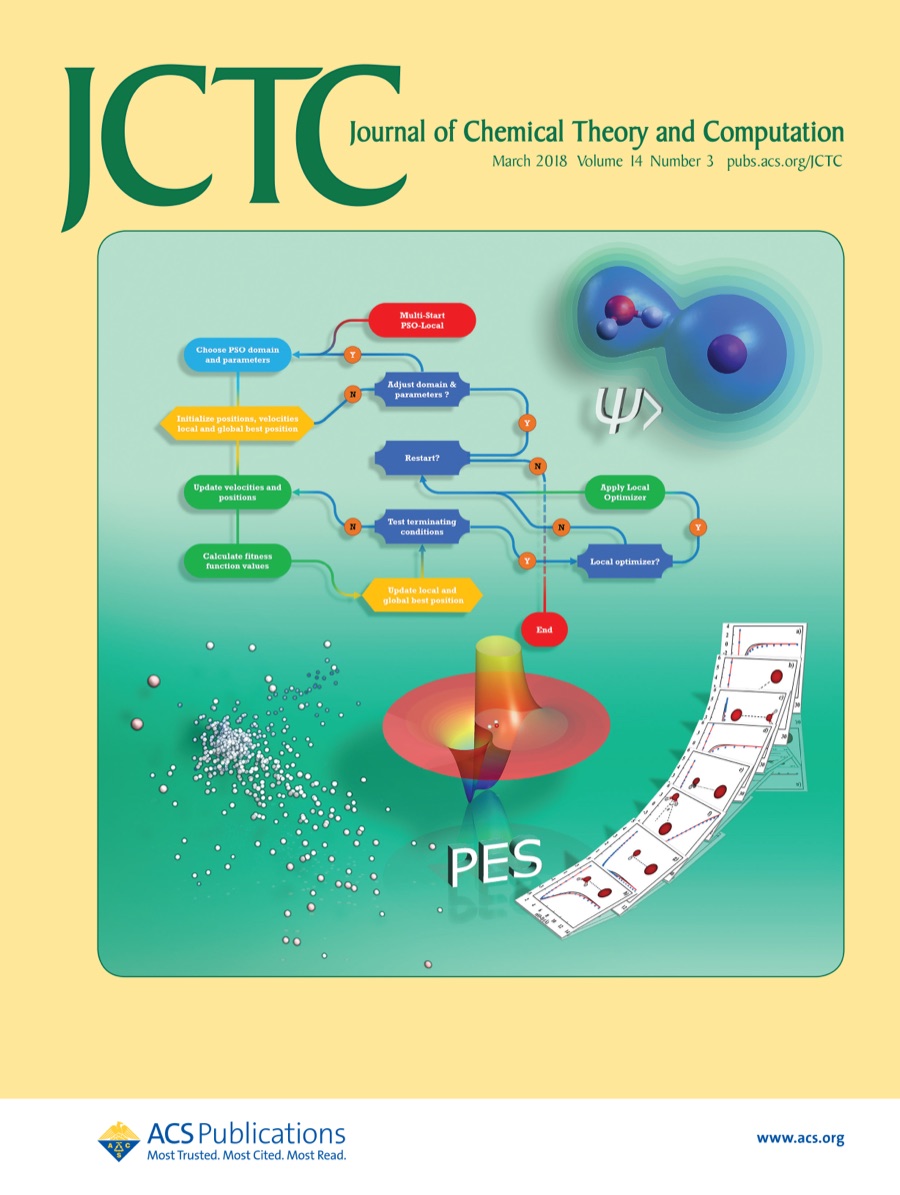
- Established QM region size convergence guidelines for DNA proton transfer (J. Chem. Theory Comput. 2018, 2019).
Computational NMR and Metabolomics
- Built QM/ML pipelines for NMR chemical shift and collisional cross section (CCS) prediction at Michigan State University (with Prof. Kenneth M. Merz Jr.) to support metabolite structure elucidation.
- Developed the AutoGraph conformational clustering algorithm.
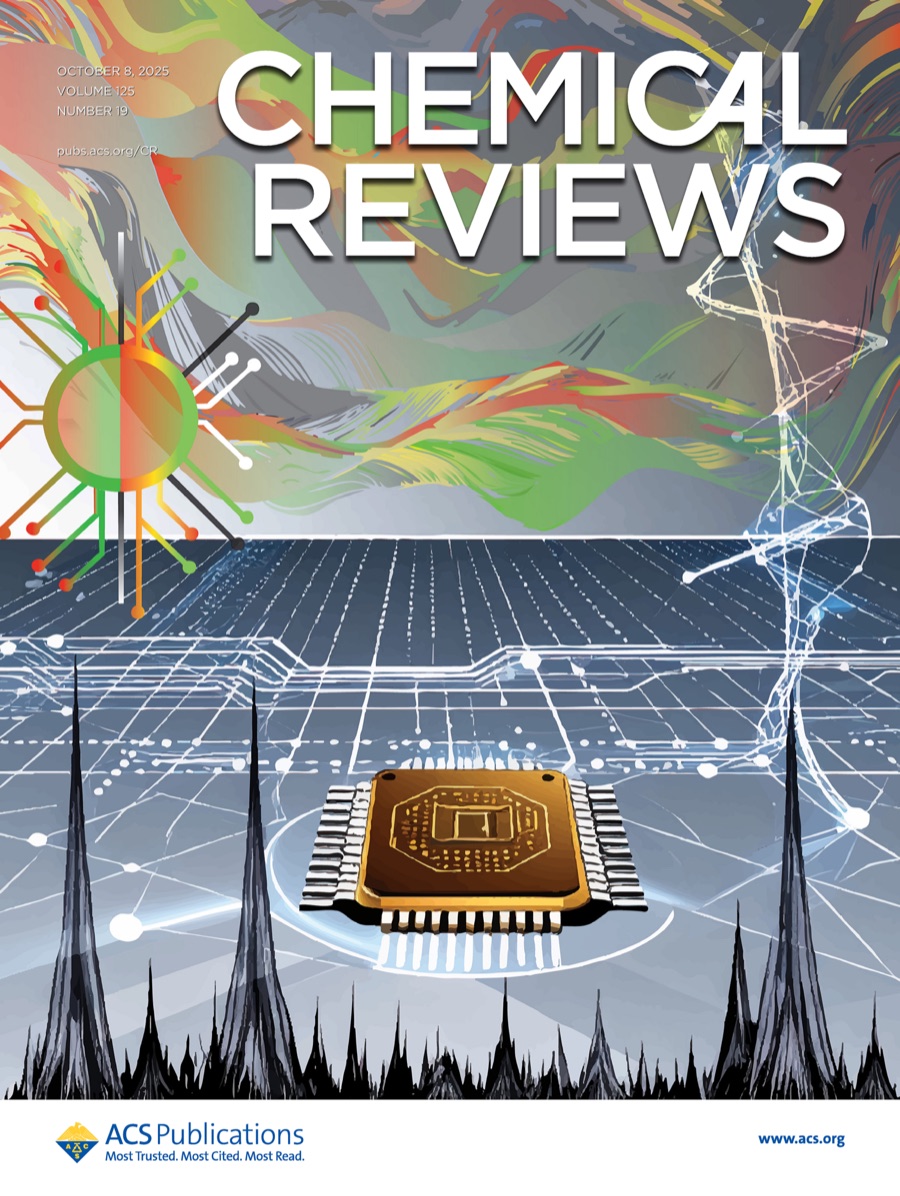
- Reviewed in Chemical Reviews (2025); select papers Anal. Chem. 2020, J. Am. Soc. Mass Spectrom. 2022, J. Chem. Inf. Model. 2023, 2024.
Nanocluster Catalysis
- Applied DFT, ab initio MD, and Coupled-Cluster methods to aluminum nanocluster reactivity during doctoral research at CSIR-National Chemical Laboratory.
- Dinitrogen activation by Si/P-doped clusters and oxidative addition of C-I bonds.
- Site selectivity via conceptual DFT reactivity descriptors.